
Where Style Meets Structure
Written by Gavin Lipinski
Chicago Fashion Week celebrated more than just fashion—it was a chance for the city to step up and show out. Creatives from across the greater Chicago area united to put on events that showcased their talents. From fashion designers to event planners, every hand involved worked towards crafting a truly unforgettable experience.
Chicago’s second annual Fashion Week was quite the adventure for us here at Letty Sparrow - trying to manage going to every event is a feat in its own right! The first week was full of excitement and anticipation, with many events on our radar, including our friends at Why Not Petites, who were a part of the first few runways of the week, and recently announced their nonprofit status! Driven by a mission to build a more representative modeling community, they regularly train and employ petite models for their runway shows.
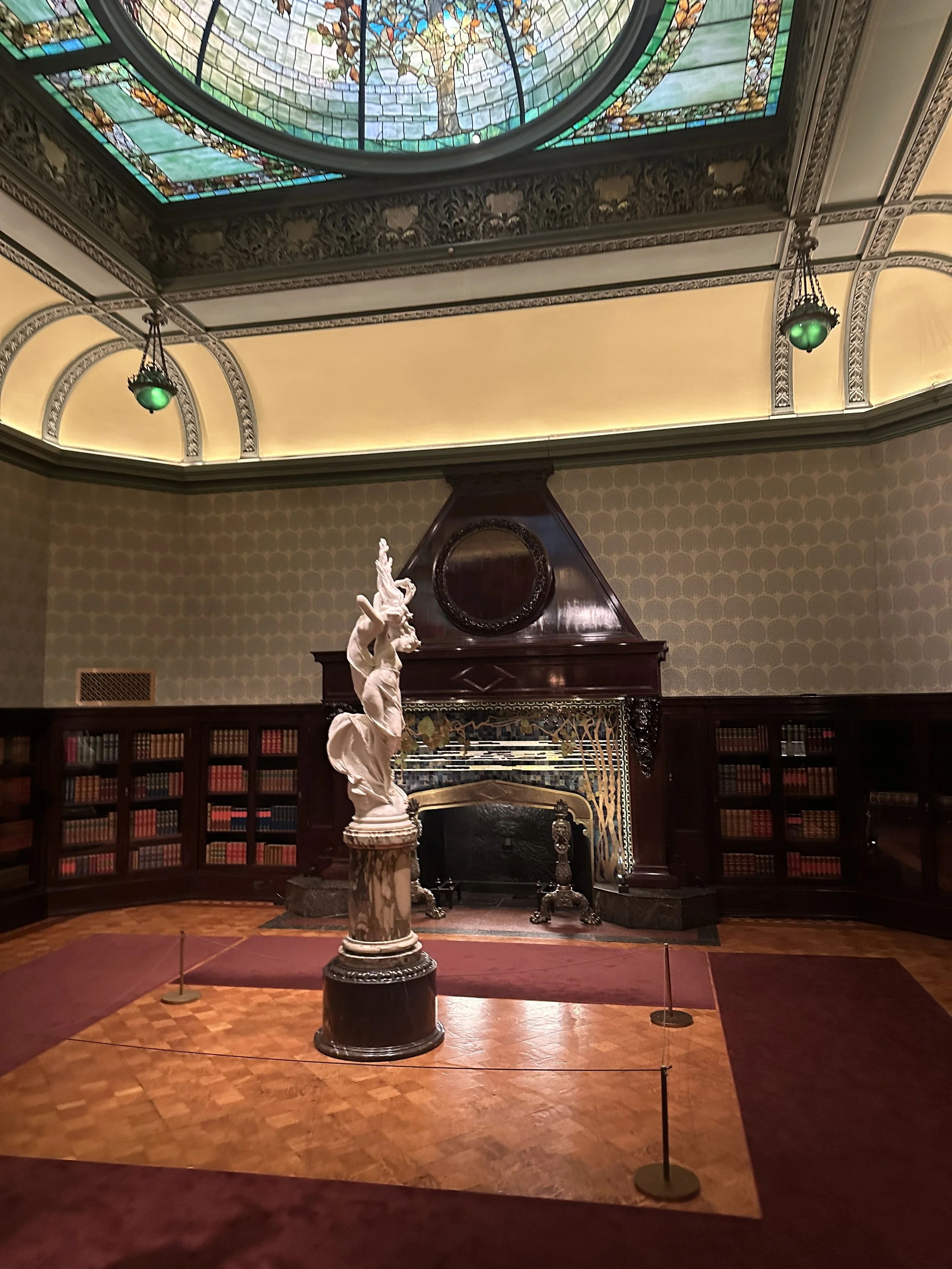
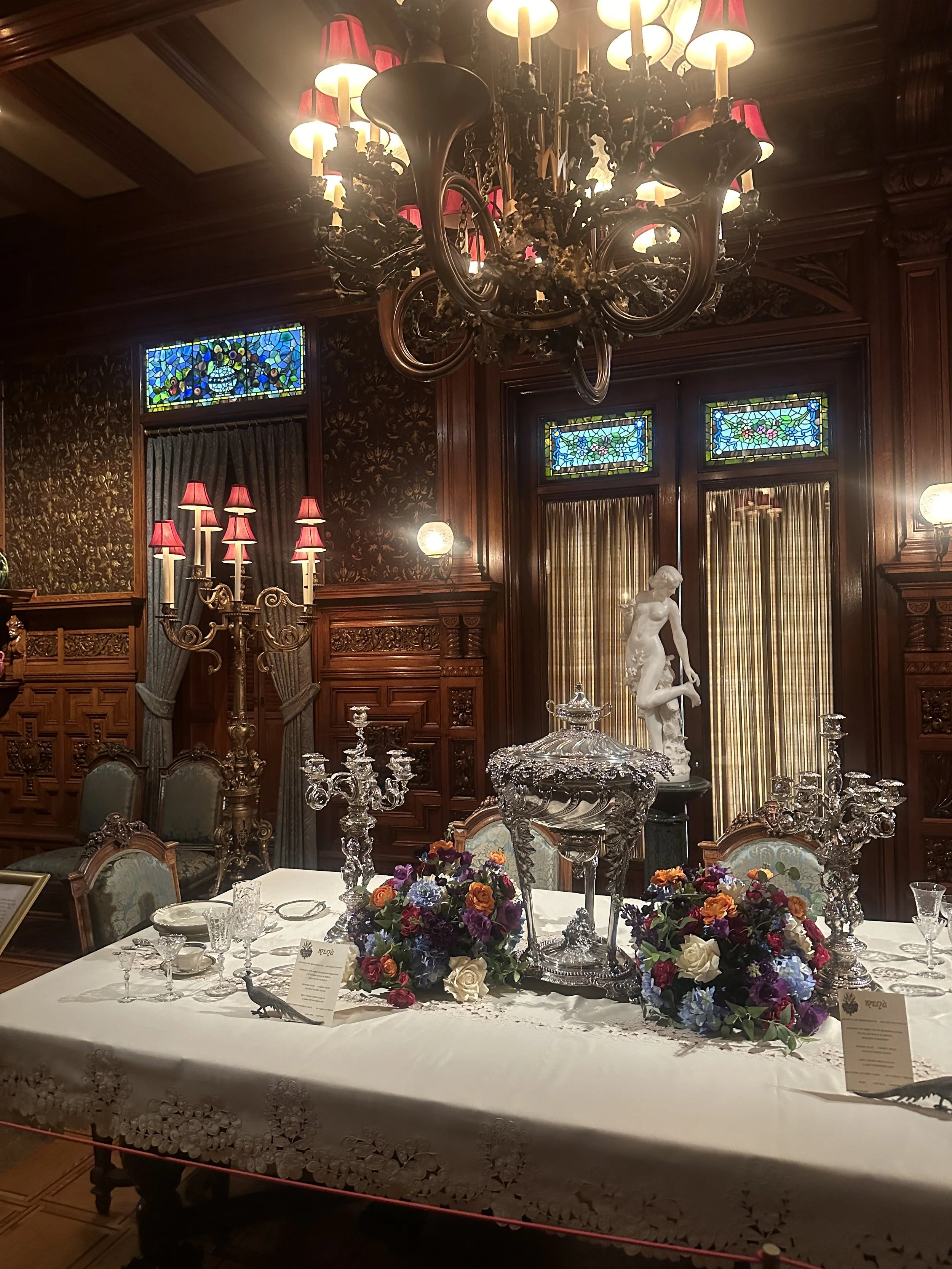
On October 10, tucked away just off Michigan Avenue, the Driehaus Museum was transformed into a runway exhibition. Stepping into the 4-story house felt like stepping back into another era. The restored 19th-century mansion, once home to the Nickerson family, showcased the splendor of Chicago’s Gilded Age — from its marble staircases and stained-glass windows to the intricate woodwork that told stories of craftsmanship long past. Today, it stood not only as a museum but as a living testament to the city’s enduring appreciation for art, design, and innovation.
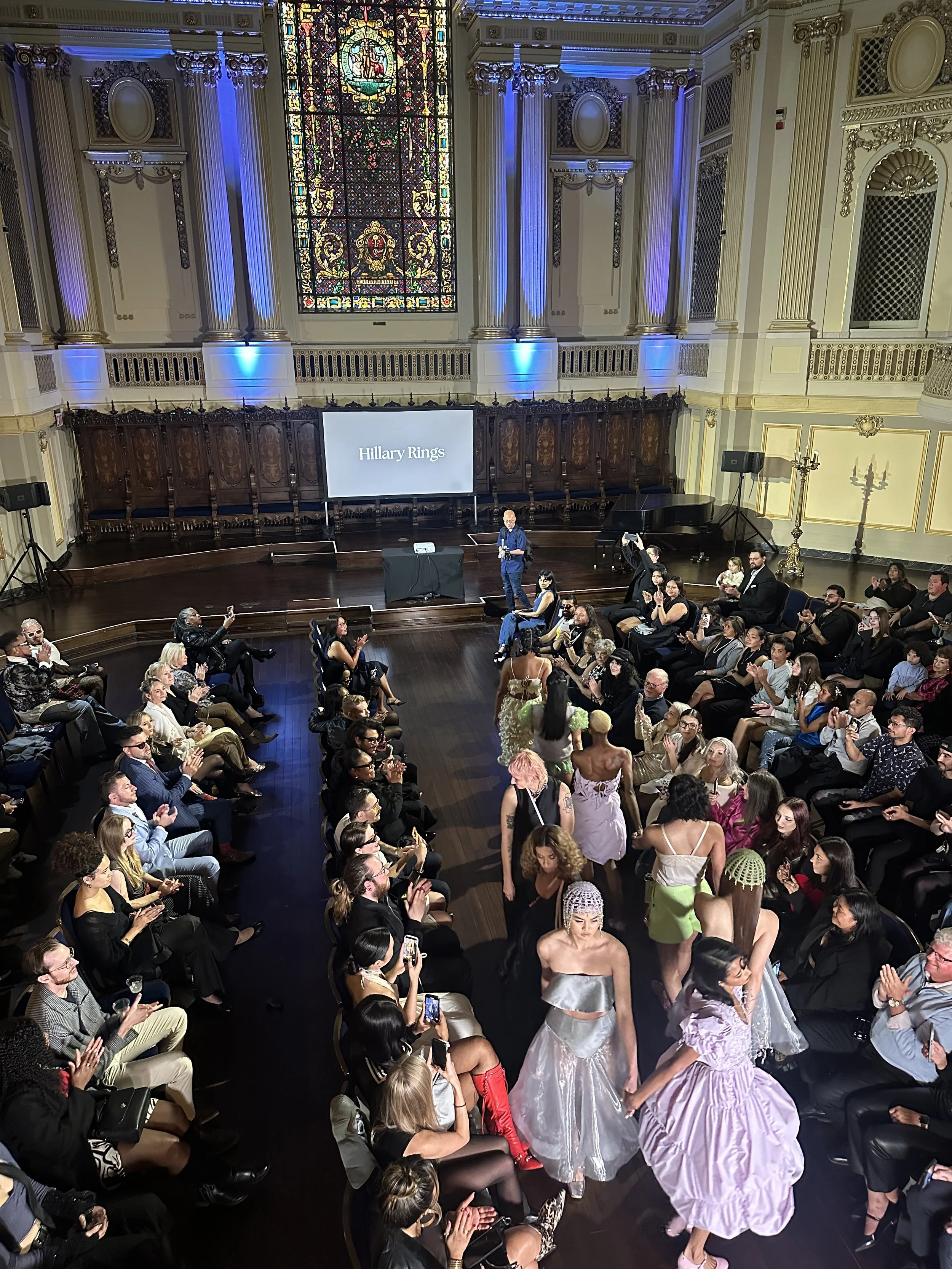
Home to a spacious ballroom with balcony seating, the Driehaus’s historic halls were transformed into a setting that bridged old-world elegance with modern creativity. Under a stained glass window, a runway parted a sea of chairs. As part of the event, attendees had exclusive access to the museum, with tour guides stationed throughout the building to help visitors explore the rich history. On display, aside from the gorgeous interiors, were Tiffany lamps, all unique and breathtaking. Dubbed The Blueprint, five Chicago-based designers came together to celebrate clothing through the decades, and the intrinsic connection between architecture and fashion design.
One of the brands gracing the halls was Between Two Branches, a fashion line created by Jordan Chavez that explored folk art through 12 looks.
“I'm a folk artist. First and foremost, I love working with accessible materials, found materials, unconventional things that you can make avant-garde and really shock people,” said Chaves. From towering black capes to whimsical shoes with flowers growing out of them, Chave’s collection demanded your attention.
Chavez explained that folk art explores culture and people themselves, often reflecting their community's traditions, values, and history. Many elements of his collection were traditional, with modern juxtapositions creating an exciting juxtaposition.
“All of this stuff really comes back to folk culture, because in the end, that's all art really is, our shared humanity.”
Designer Hilary Rings, designer of the namesake brand Riiings, explored shape, texture, and color in her collection of eight looks, designed head to toe. Playful cutouts and woven patterns came together to create a chic display that felt akin to a spring’s dream.
“It's been like a month of non-stop working, “ said Rings, “It's been so crazy.”
Only two years ago, Rings moved to the city, and their reception in Chicago’s fashion scene had been nothing but welcoming, with their involvement in the show coming through the connection of local stylist, Rahela Tănase.
“I've been very welcomed into the Chicago fashion scene, which is so cool,” said Rings.
From each embellished shoe to croquetted hat, Rings celebrated the commonality that both architecture and clothing share in shape design. Both disciplines rely on structure and ornamentation to express identity, culture, and emotion - whether through the curvature of a staircase or the drape of a gown.
The Driehaus Museum’s intricate interiors, with their flowing lines, rich textures, and attention to proportion, mirror the craftsmanship and silhouette-focused artistry seen in haute couture. Just as architects sculpt space to reflect social ideals and aesthetics of their time, designers shape fabric to embody movement, personality, and innovation—revealing how both art forms shape the way we inhabit and experience beauty.
Jayie Chou, the mind behind Like the Two Letters, officially launched her brand a little over a year ago. Still a student at the School of the Art Institute of Chicago, Cho has shown her brand a few times before at events her school has hosted, as well as Chicago’s previous fashion week during the Asian Fashion Show. Her collection, 10 pieces in total, explored architecture in nature and how time can be the ultimate architect.
Flowing floor-length garments graced the runway, each movement almost changing the silhouette of the design. Cho’s collection almost felt like the antithesis of construction.
“I'm a big upcycler,” Cho said, “Sustainability is huge, so I use a lot of things like curtains and sheets, table mats, and unconventional garment fabrics and textiles, and I like to make really abstract shapes.”
Cho, like many others, has worked with Brittney Wittes, owner and creator of Why Not Petites, in the past and has celebrated the welcoming environment she creates —one that celebrates diversity and creates spaces for all who hope to get involved.
“I'm always working with Why Not Petites,” Cho said. “I am a short baddie myself.”
As one of the many gatherings that helped shape Chicago Fashion Week this show added yet another thread to the week’s wider creative landscape. Attending it gave us a chance to see how different designers interpreted form, movement, and story within the setting, and how their ideas fit into the broader rhythm of events happening throughout the city. Taken together, moments like these captured the spirit of the season, highlighting the curiosity, care, and imagination that continued to shape Chicago fashion and architecture.
